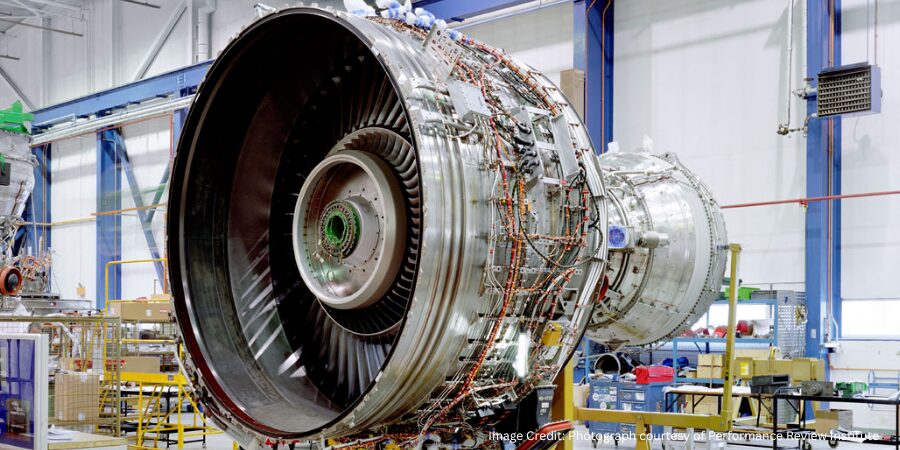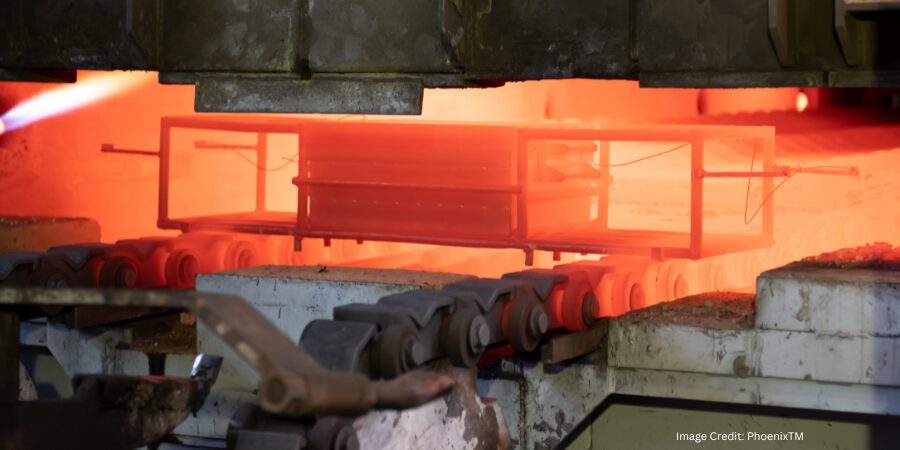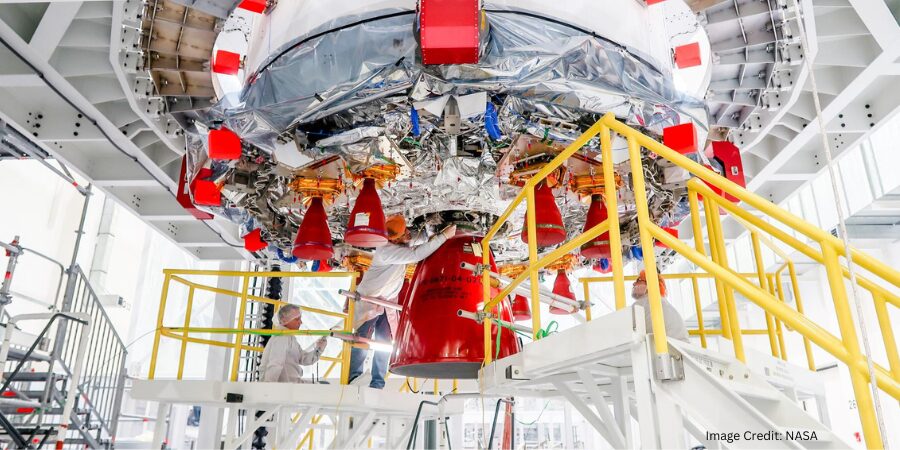
Carbon and graphite-based materials are among the few engineered materials capable of withstanding the extreme thermal, mechanical, and environmental demands of space travel. In this Technical Tuesday installment, Kimberly Thompson, technology manager at Morgan Advanced Materials, examines how carefully controlled heat treatment directly governs the structure, purity, and performance of these materials and emphasizes the importance of furnace design, atmosphere control, and temperature precision required to achieve reliable properties for aerospace and space exploration applications.
This informative piece was first released in Heat Treat Today’s March 2026 Annual Aerospace Heat Treating print edition.
Space travel presents one of the most extreme operating environments encountered by engineered materials. Launch, orbital operation, atmospheric reentry, and deep space exposure all impose combinations of extreme temperature, rapid thermal cycling, oxidative attack, mechanical stress, and radiation. Among the limited class of materials capable of performing in these challenging conditions, carbon and graphite-based materials have played a critical role for decades, continuing to enable and innovate modern space exploration.
From carbon ablatives, which play a crucial role in heat shields and propulsion systems, to structural graphite components and ultra-pure graphitic elements, carbon materials are uniquely suited to survive and perform in extreme temperature regimes that exceed the limits of metals and ceramics. The performance of these graphite/graphite-like materials is directly linked to the heat treatment (aka graphitization) and processing steps used during their manufacture. The relationship between processing conditions and final product performance is driven by the technical foundations for heat treating carbon and graphite materials for space travel through the conversion, graphitization, and purification steps.
Carbon Materials in Space Applications
Carbon-based materials, such as those produced by the Performance Carbon division of Morgan Advanced Materials (see Figures 1-3), have a long history of being utilized in spaceflight systems due to their exceptional thermal stability, low density and mass, and resistance to thermal shock. Common applications include:
- Ablative thermal protection systems for atmospheric re-entry
- Nozzle throats and rocket motor components
- High temperature insulation and support
- Structural graphite parts
- Ultra-pure graphitic components for sensitive electronic or propulsion systems
The performance outcomes required in these applications are diverse but share common demands: survivability at extreme temperature exceeding 2000°C (3630°F) and down to -270°C (-450°F), predictable thermal behavior, low outgassing, and controlled erosion or sublimation rates. Achieving these characteristics relies heavily on heat treatment processing conducted through both low and high temperatures.
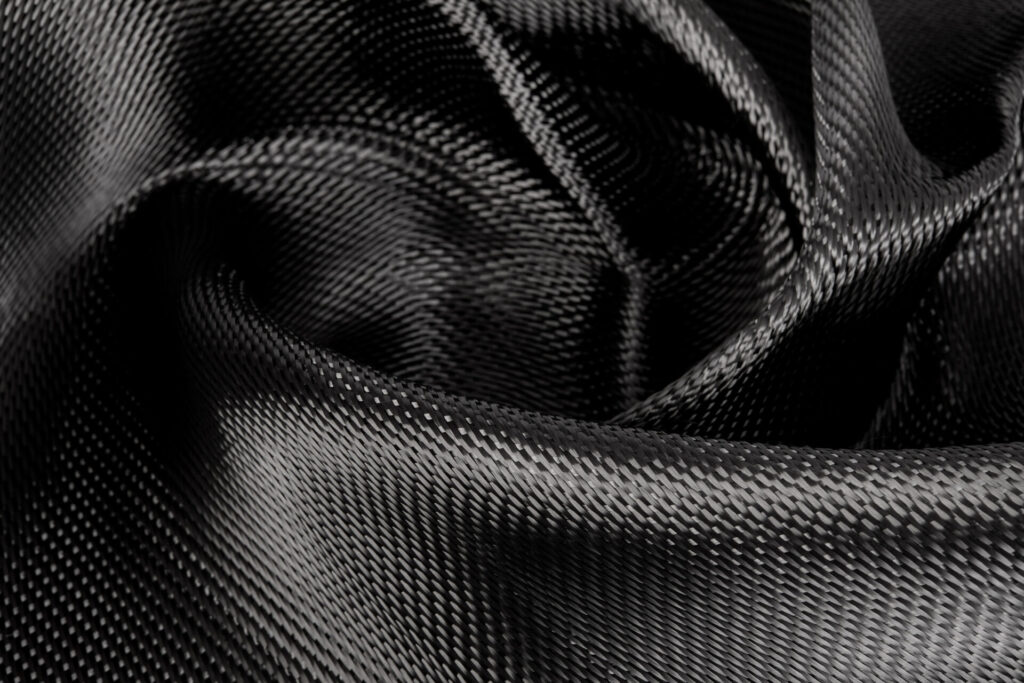
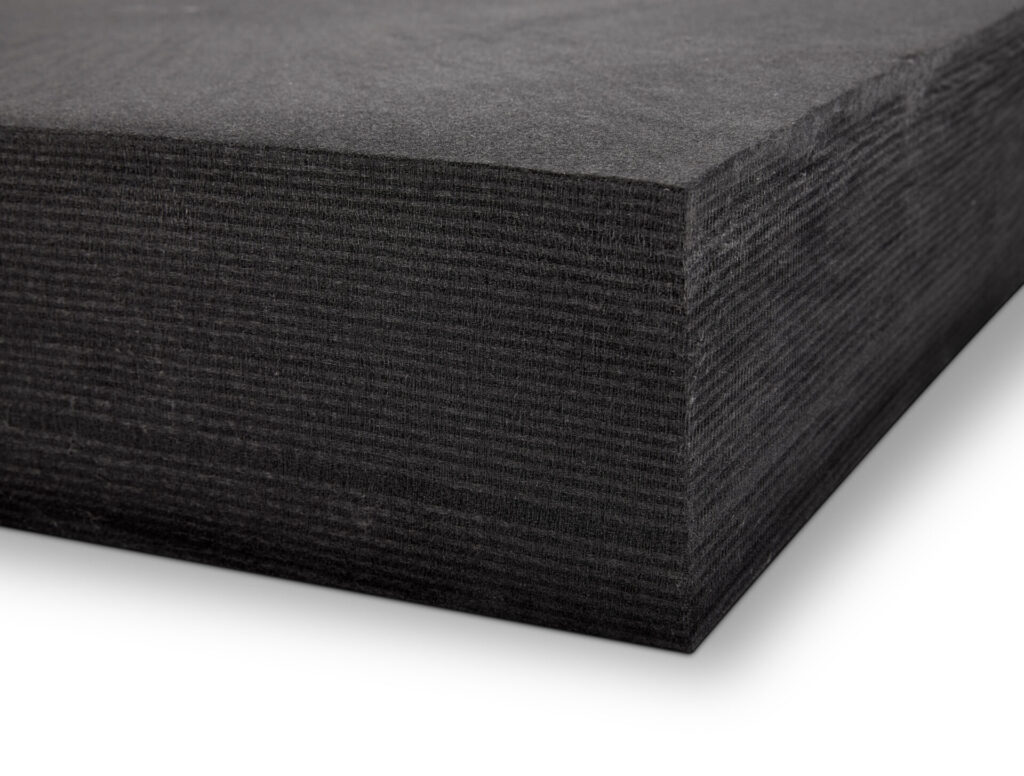
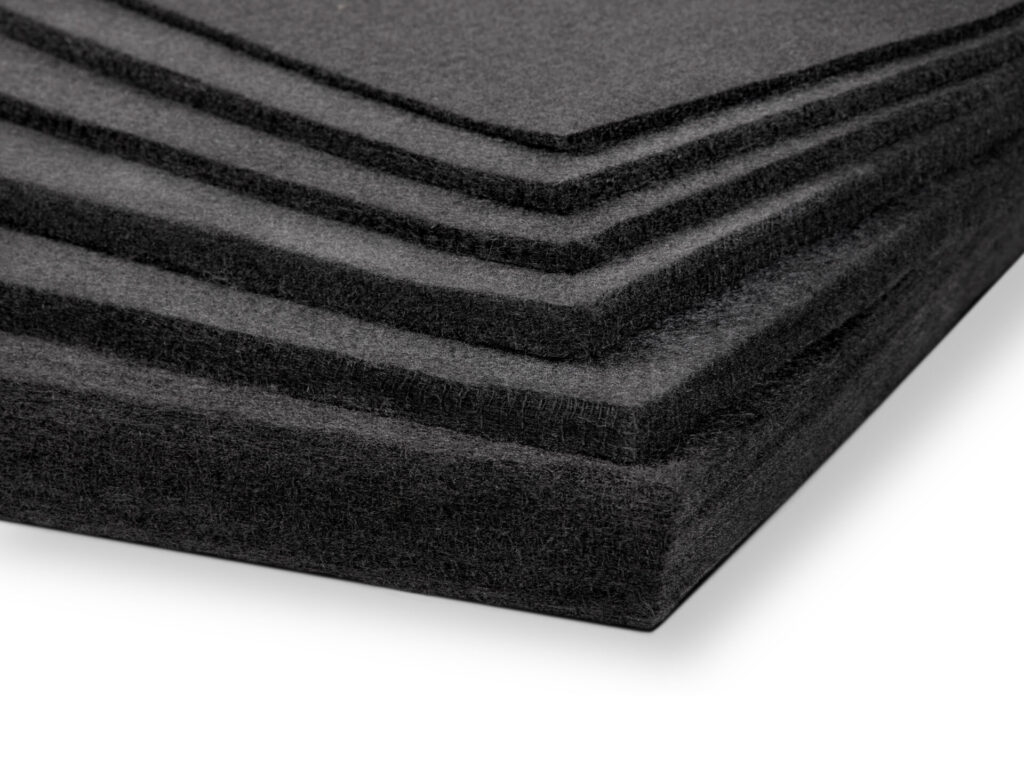
As the material is heat treated and temperatures increase, the carbon structure will undergo progressive stabilization. Precursor conversion or pre-carbonization will occur during low temperature thermal processing. Fundamental transformation will occur as the disordered carbon structure reorganizes into graphitic planes through realignment of aromatic carbon layers. The planes become progressively ordered in the presence of elevated temperatures, increasing crystallographic alignment. The transition from carbon to graphite is gradual and highly reliant on heat treatment process capability to maintain thermal uniformity throughout all process stages.
The extent of graphitization is typically tailored to meet specific application requirements, as carbon and graphite structures each offer distinct performance advantages. In certain applications, a predominately carbon structure is preferred due to its higher bulk density and superior mechanical strength as compared to graphite. These characteristics can be advantageous in space applications where structural integrity, load bearing capability, or erosion resistance under mechanical stress are primary concerns. However, carbon materials generally exhibit slightly lower carbon yield and may experience higher erosion or mass loss when exposed to extreme thermal flux or oxidative stress.
In contrast, materials processed to a graphitic structure offer enhanced thermal stability at elevated temperatures, improved resistance to thermal shock, and reduced impurity content due to high temperature volatilization of contamination. Graphite materials typically demonstrate superior performance in applications requiring sustained exposure to ultra high temperature or rapid thermal cycling. This benefit, however, is often accompanied by lower density and reduced mechanical strength relative to their carbon counterparts, which can limit their use in mechanically demanding roles.
Ultimately, the selection of a carbon- or graphite-based structure involves balancing thermal performance, mechanical requirements, erosion behavior, and environmental exposure. Heat treatment parameters must be carefully engineered to achieve the desired degree of structural ordering, ensuring that the final material delivers optimal performance for its intended spaceflight application.
Low Temperature Thermal Processing
Most engineered carbon precursors, such as cellulose, phenolic resin, acrylic (polyacrylonitrile), or pitch-based materials, require conversion into carbon through a sequence of controlled thermal processes. The first conversion process is considered low temperature in terms of graphite processing. During this process, hydrogen, oxygen, and nitrogen content decreases, volatile species are driven off, and the aromatic carbon structures begin to form. The thermal processing profile through this low temperature conversion is critical. Careful control of heat treatment parameters, tailored to the material system, supports uniform carbon conversion and minimizes defects as the foundational microstructure is established.
At these processing temperatures, a wide range of conventional heat treatment equipment can be effectively used. Because the operating temperatures remain below the limits of most metallic alloys, furnaces equipped with metal-based heating elements, structural components, and containment systems are generally suitable for this phase of processing. Additionally, these furnaces may be configured as batch or continuous systems, depending on part geometry, production volume, and process control requirements. Heat input is achieved through established industrial thermal processing approaches, with system selection guided by requirements for temperature uniformity, process control, and operational considerations. Regardless of the configuration, the selected furnace must be capable of maintaining stable inert or reducing atmospheres to prevent oxidation of the carbon precursor during thermal decomposition.
Successful low temperature processing demands a strong foundational understanding of carbonization mechanisms combined with sound materials science principles. As organic precursors are heated, complex chemical reactions occur that result in the formation of increasingly ordered carbon structures. The heating rate and soak durations must be carefully engineered to accommodate these reactions while minimizing internal stresses, distortion, or excessive porosity. Improper ramp rates or insufficient soak times can result in non-uniform shrinkage and irreversible defects that propagate through later processing stages.
Equally critical is the furnace’s ability to execute the programmed temperature profile with a high degree of precision and repeatability. Accurate control of heating ramps, dwell temperatures, and cooling rates is essential, as even modest deviations can alter the evolving microstructure of the material. Temperature overshoot, uncontrolled gradients, or localized hot spots can lead to uneven carbon yield, variations in density, and inconsistent mechanical or thermal properties in the final product. Consistency of temperature accuracy within the furnace ensures that the entire product load processes uniformly, reducing variation in the material to allow for uncompromised performance in demanding aerospace applications.
High Temperature Thermal Processing
Materials that have completed precursor conversion or pre-carbonization are subsequently subjected to high temperature thermal processing to complete carbonization or to initiate and advance graphitization, thereby establishing the final material structure and properties. Although the carbon microstructure continues to evolve significantly during this stage, the material experiences minimal additional mass loss, shrinkage, or chemical decomposition compared to earlier processing stages. Most volatile species have already been removed, resulting in a comparatively stable structure that is less susceptible to distortion, cracking, or dimensional change. As a result, parts processed in this temperature regime typically exhibit improved dimensional stability and reduced sensitivity to heating rates when compared to low-temperature carbonization operations.
High-temperature processing can be conducted at temperatures well above the lower temperature processing. At these elevated temperatures, the available furnace technologies become significantly limited. Conventional metal or ceramic based furnace systems are no longer suitable due to material degradation, contamination risk, and structural instability under these conditions. Instead, furnaces designed for high-temperature carbon and graphite processing are typically induction or resistance (i.e., vacuum furnace) heated and constructed primarily from graphite-based components.
These furnace systems are specifically engineered to withstand extreme temperatures while maintaining thermal uniformity and chemical compatibility with the carbon materials being processed. The use of graphite heating elements, insulation, and structural components minimizes contamination and allows operation in inert or controlled atmospheres required for carbon and graphite processing.
As relatively little chemical decomposition occurs during this phase, high-temperature processing cycles can often be completed more rapidly than low-temperature carbonization cycles. Additionally, moderate temperature variations within the furnace are less likely to produce significant variability in final material properties. However, precise temperature control remains critical, as the peak temperature achieved during processing largely determines the degree of carbonization or graphitization and, consequently, the final microstructure and performance characteristics of the material.
Continuous monitoring and accurate measurement of operating temperatures are therefore essential. Even small deviations in maximum temperature can lead to meaningful differences in crystallinity, density, thermal conductivity, and mechanical behavior. For space applications, where consistency and reliability are paramount, ensuring that each component reaches the intended peak temperature is a defining requirement of high-temperature thermal processing. As space missions continue to demand materials capable of performing in the most extreme environments, advanced heat treatment remains a critical enabler of reliability and innovation.
About The Author:

Technology Manager
Morgan Advanced Materials
Kimberly Thompson holds a bachelor’s degree in chemical engineering from Purdue University and a master’s degree in materials engineering from Auburn University. With nearly nine years with Morgan Advanced Materials, she currently serves as technology manager leading new product development and has spent six years as the technical resource for rayon-based carbon and graphite materials supporting space industry applications.
For more information: Contact Kimberly Thompson at Kimberly.Thompson@morganplc.com.